Most People Skip Northern Spain And Here Are 5 Reasons Why That’s A Huge Mistake
If your Spain itinerary is just Barcelona, Madrid, and maybe Seville if you are feeling wild, you are missing the part I recommend to my actual friends.
Northern Spain is where you go when you still want great food and culture but you are done with crowds and 35°C heat.
I live in Spain.
I travel a lot inside Spain.
And if you want a calmer, greener, more grounded trip, this is where I would send you.
1. Picos de Europa Is The Mountain Escape You Did Not Know You Needed
Forget the Pyrenees for a second.
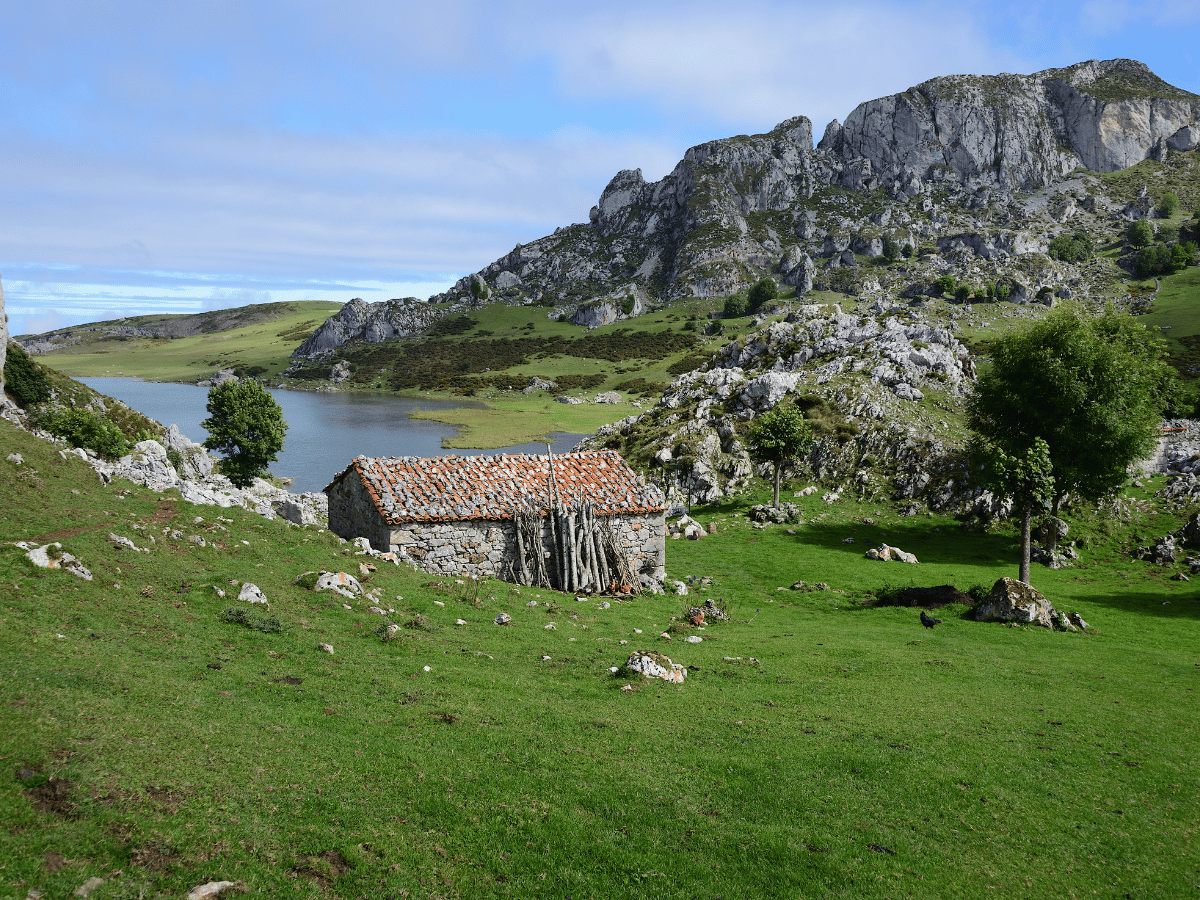
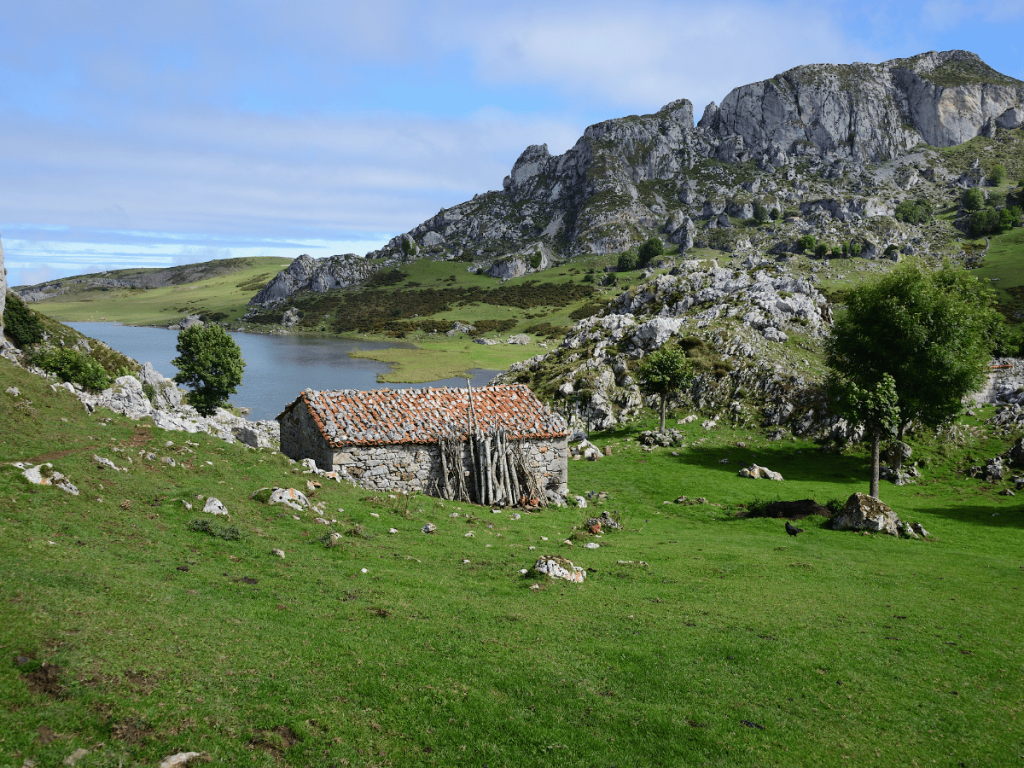
Picos de Europa feels like someone dropped the Swiss Alps next to the Atlantic and then forgot to market it properly.
You get sharp limestone peaks.
Green valleys.
Villages where life still moves very slowly.
Base yourself in Cangas de Onís if you want easy access without going full mountain goat.
From there you can take the road up to Lagos de Covadonga and be staring at glacial lakes in under an hour.
Go early in the morning if you can.
The light is softer.
The tour buses have not arrived.
And the cows will probably photobomb your pictures.
If you like hiking, there is the Ruta del Cares which runs between Poncebos and Caín.
It is carved into the side of the mountain.
The views are ridiculous.
Take proper shoes and water.
This is not a cute flip-flop walk.
Picos de Europa is the reason to go north if you want nature that feels dramatic and wild but still reachable by car and a decent road.
2. Santiago de Compostela Is Way More Than “The End Of The Camino”
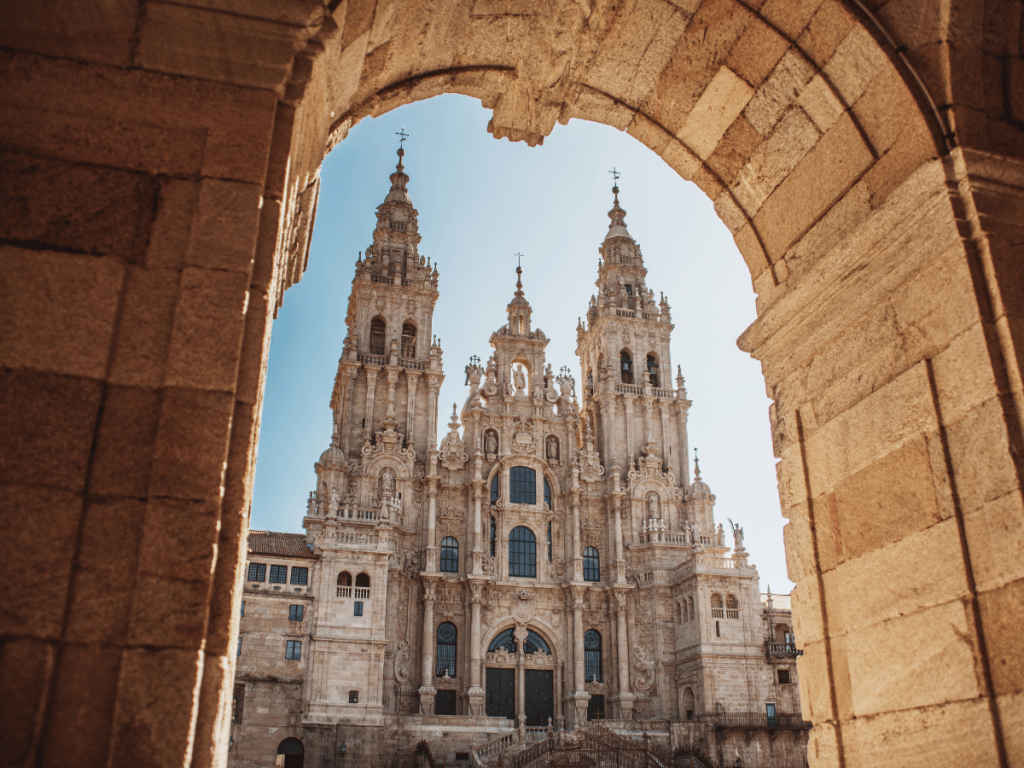
Most people know Santiago de Compostela as the destination for pilgrims.
Yes, you will see hikers with backpacks and walking sticks everywhere.
But you do not need to walk 800 km to enjoy this city.
The old town is compact, walkable, and full of stone streets that stay lively even when the weather is grey.
The cathedral is the centrepiece and it is worth going inside even if you are not religious.
Go early or late in the day if you want to avoid the longest queues.
Walk through Praza do Obradoiro, then let yourself get lost in the surrounding streets like Rúa do Franco and Rúa da Raíña.
This is where you eat.
Order pulpo a feira, which is Galician style octopus served on a wooden plate with olive oil, salt, and paprika.
Try it with a glass of local albariño and you will understand why people stay an extra night without planning to.
Because the city has so many pilgrims, it is also one of the easiest places in Northern Spain to travel solo.
People are used to visitors.
The vibe is relaxed.
And you can find everything from simple pilgrim menus to very good modern restaurants.
3. Playa de las Catedrales Looks Edited Even When It Is Not
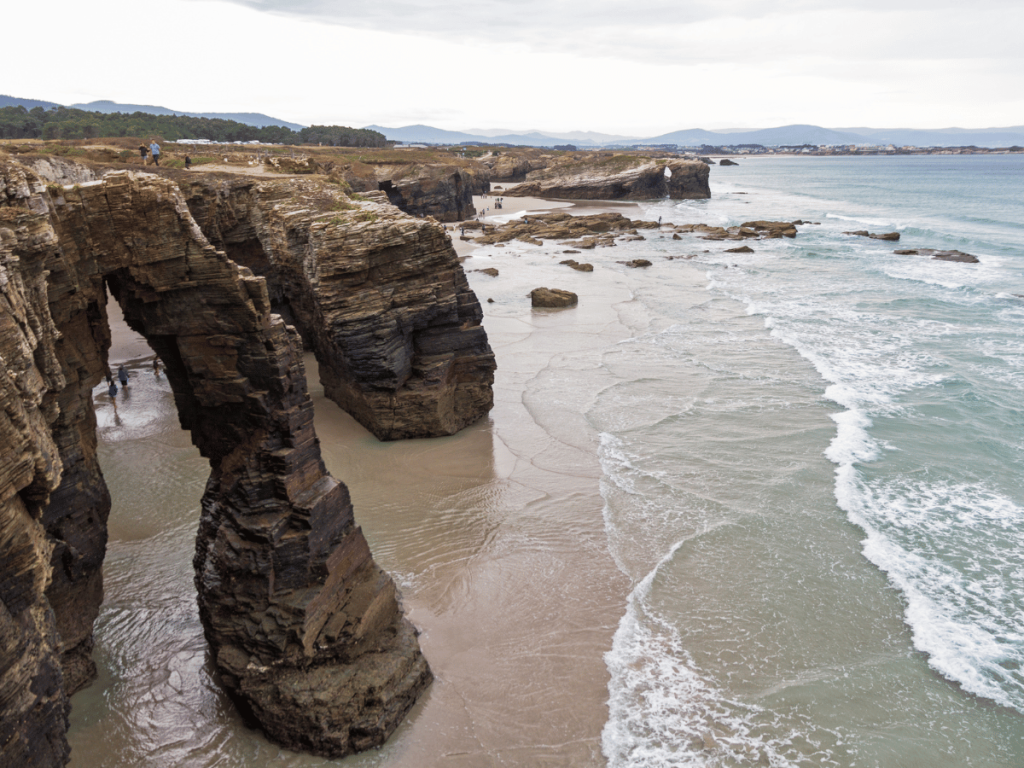
Playa de las Catedrales is on the coast of Lugo in Galicia.
From above it looks like a normal stretch of sand.
The magic happens at low tide.
When the water pulls back you can walk between huge stone arches and caves that look like they belong in a fantasy film.
This is one of those places where tide times actually matter.
If you go at high tide you will not see much and you might not even be allowed down.
Check tide times before you go.
Aim to arrive about one hour before low tide and stay through it.
In summer and on busy weekends you also need to reserve a free access ticket online.
The region does this to protect the beach from too many visitors at once.
There is a car park at the top of the cliffs and a path down to the sand when the conditions are right.
Wear shoes you do not mind getting wet and be ready to walk on uneven rocks.
Do not turn your back on the sea when the tide starts coming in again.
The waves move faster than you think.
4. Food In The North Is Heavy On Flavour
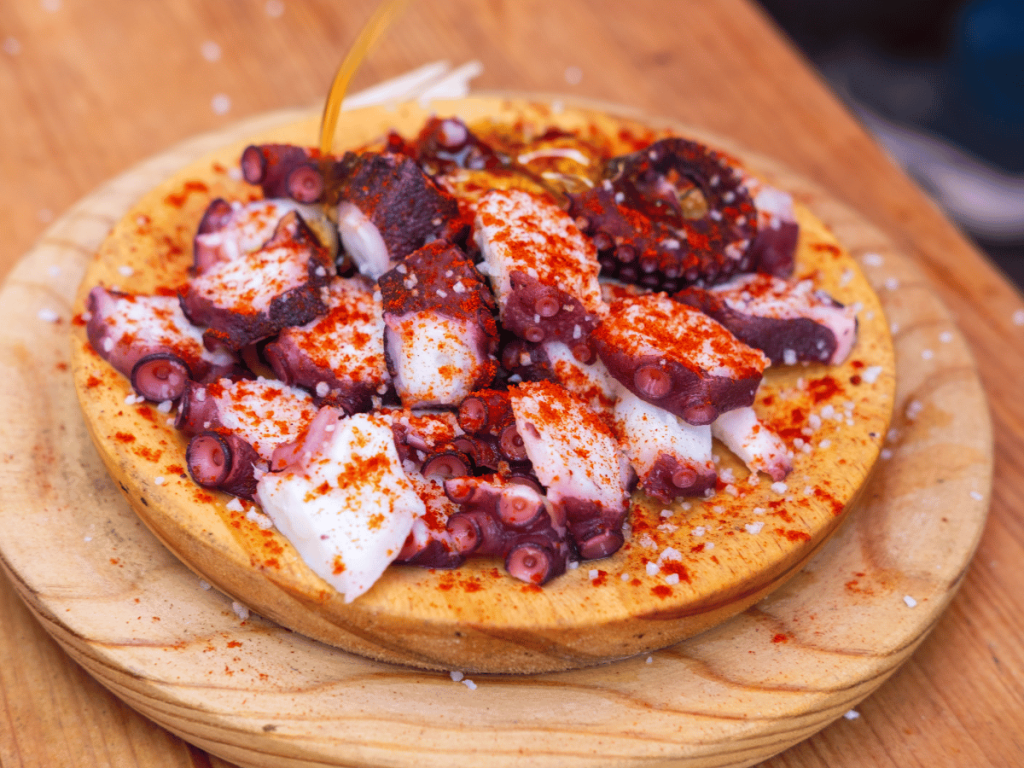
If you care about what you eat on trips, Northern Spain is not optional.
In Galicia, you have fresh seafood everywhere, from small pulperías serving only octopus to full marisquerías with huge displays of shellfish.
Order zamburiñas if you see them on the menu.
They are small scallops and they are addictive.
In Asturias, you get fabada asturiana, which is a slow cooked bean stew with sausage and pork.
It is simple.
Rich.
And perfect after a day in Picos de Europa or a cloudy day on the coast.
You also have sidrerías, which are cider houses where the cider is poured from high above the glass.
Yes, it looks dramatic.
No, it is not a tourist show.
This is how they aerate the drink.
In the Basque Country, pintxos replace generic tapas.
You walk into a bar in San Sebastián, see the counter covered in small bites, and point at whatever looks good.
Keep it simple.
One drink.
One or two pintxos.
Then move on to the next place.
This style of eating makes it easy to try a lot without getting stuck in one average restaurant.
5. You Can Connect These Places In One Trip Without Burning Out
The best part.
You do not have to choose only one of these spots.
You can start in Bilbao or Santander if you are flying in.
Drive east or west along the coast and then dip inland when you want mountains.
A very doable route is Bilbao to Picos de Europa to Asturias to Santiago de Compostela to Playa de las Catedrales and then back along the coast or out via A Coruña.
Bilbao gives you a city hit with the Guggenheim and good food.
Picos de Europa gives you mountains and proper hikes.
Asturias gives you green coastline, small towns like Cudillero and Ribadesella, and a slower rhythm.
Santiago de Compostela gives you history, community, and easy walking streets.
Playa de las Catedrales gives you that big “wow” moment at the end on the Atlantic.
You can do this in ten to fourteen days without rushing.
If you travel slower or work online while you move, stay longer in Picos de Europa or on the Asturian coast.
These are the easiest places to feel like you live there for a bit instead of just passing through.