Everyone Thinks Spanish Food Is All Paella and Tapas — Galicia Would Like a Word
You picture Spain and you see paella pans the size of tires.
Flamenco dancers, bullfights, tapas crawls through sun-baked plazas.
Then you arrive in the northwest corner, and everything you thought you knew falls apart.
The hills are green.
Bagpipes echo through stone villages.
The people talk about witches like they might actually exist.
And the food?
It has more in common with Ireland than Andalusia.
1. Galicia Is the Celtic Corner Spain Forgot to Tell You About
Before the Romans arrived over 2,000 years ago, Celtic tribes called the Gallaeci built fortified stone villages across these misty green hills.
Their influence never really left.
The traditional instrument here is the gaita, a bagpipe smaller and higher-pitched than its Scottish cousin.
Locals still tell stories of meigas, Galician witches, and have a saying: “I don’t believe in witches, but they exist.”
2. Pulpo a Feira: The Dish That Defines the Region
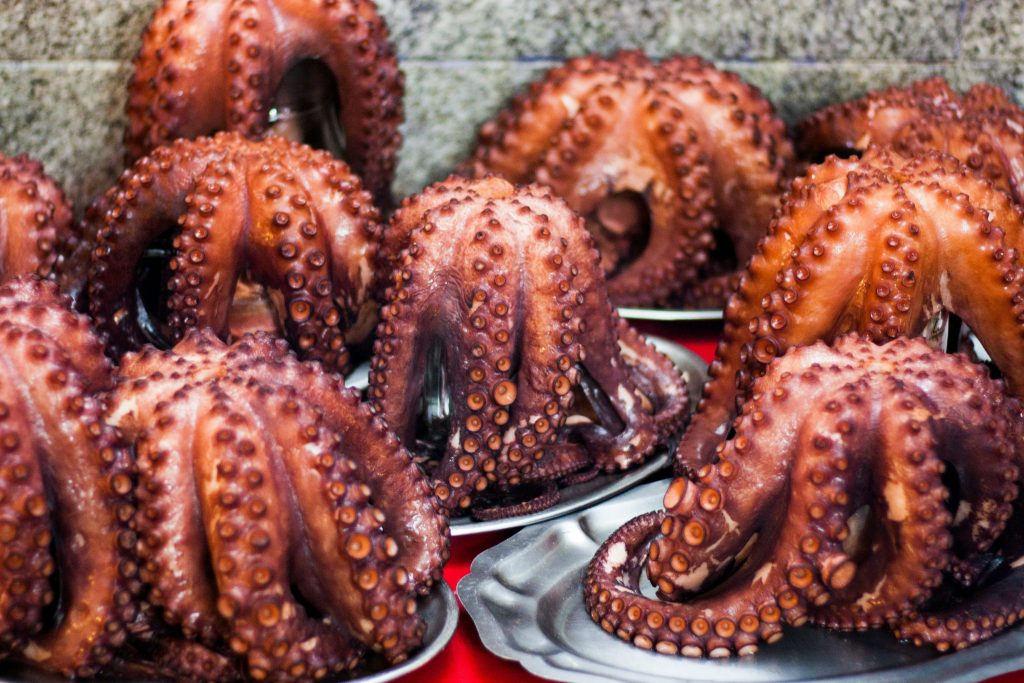
If you eat one thing in Galicia, it has to be pulpo a feira, fair-style octopus.
Tender slices of boiled octopus get drizzled with olive oil, sprinkled with paprika and coarse salt, and served on a wooden plate over sliced potatoes.
The name comes from the tradition of serving it at local fairs and festivals, where pulpeiras, specialist octopus cooks, have been perfecting the dish for generations.
Getting the texture right, tender but not mushy, is considered an art form here.
3. Percebes: The World’s Most Dangerous Seafood
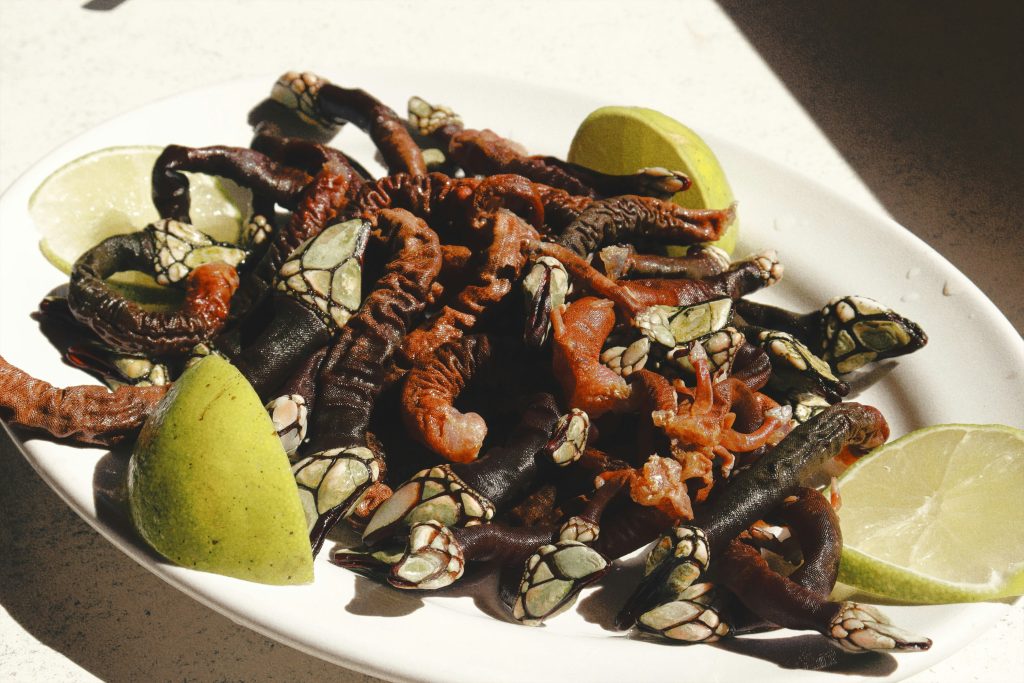
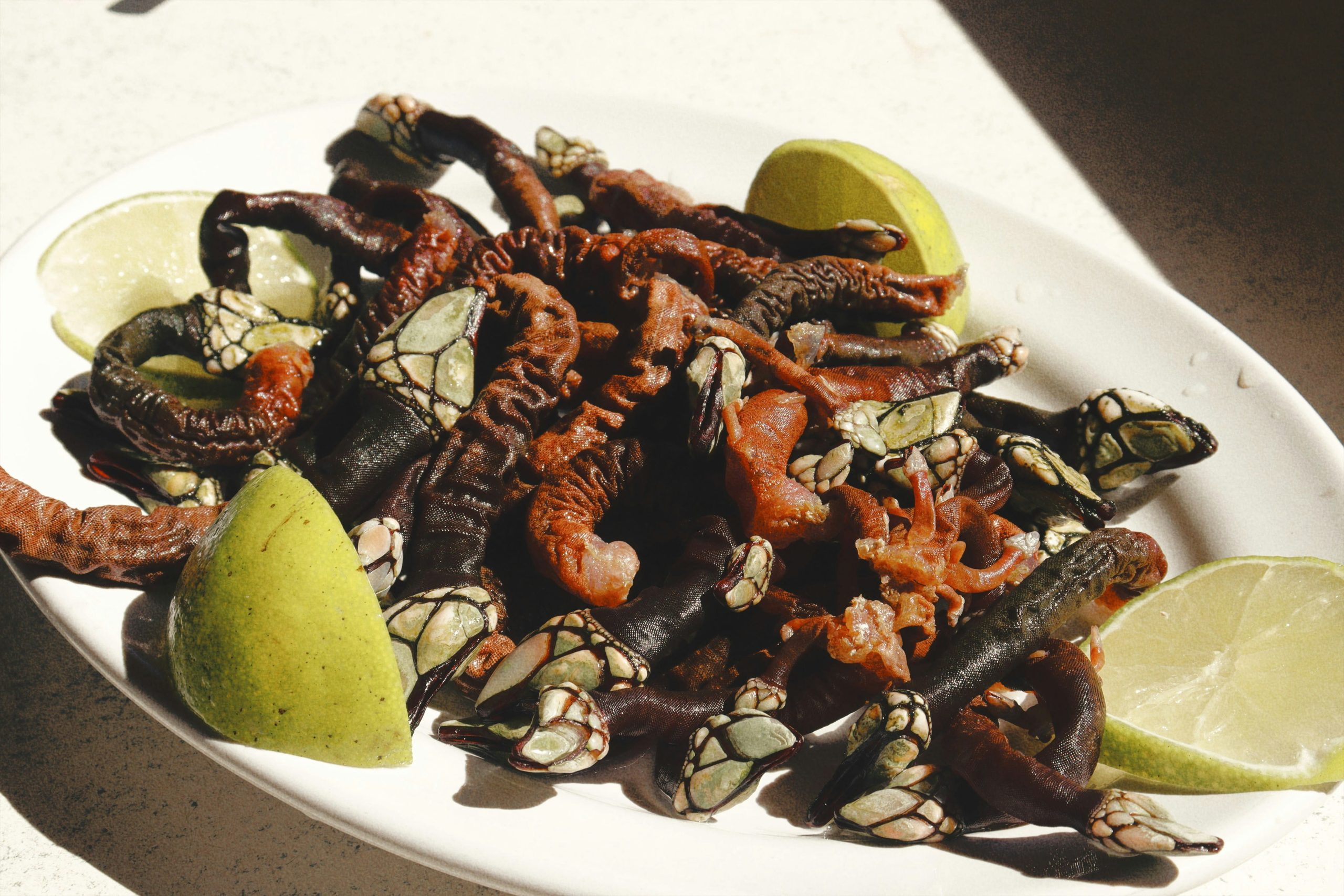
Galicians risk their lives for a crustacean that looks like a dinosaur toe.
Percebes, or gooseneck barnacles, grow on wave-battered rocks along the Costa da Morte, the Coast of Death.
Harvesting them requires climbing down cliffs, timing the waves, and prying them loose before the next swell hits.
People die doing this, and prices can reach 300 euros per kilo during Christmas season, making percebes one of the most expensive seafood items in the world.
4. Why the Danger Is Worth It
Percebes taste like nothing else, somewhere between lobster and razor clams with an intense briny sweetness.
You grab the shell, twist off the leathery skin, and eat the coral-colored meat inside.
Warning: expect a spray of seawater with each bite.
Locals simply boil them in salted water with a bay leaf and serve them hot, because ingredients this good need nothing else.
5. The Seafood Here Is Unmatched in Europe
With nearly 1,500 kilometers of coastline and an Atlantic fishing tradition stretching back centuries, Galicia produces seafood that rivals anywhere on the continent.
Spider crabs, razor clams, scallops, mussels, cockles, clams, lobster, langoustines, the variety is staggering.
The philosophy is simple: cook it as plainly as possible so the quality speaks for itself.
A mariscada, a giant seafood platter, is the traditional way to experience everything at once.
6. Empanadas Actually Came From Here
Before Argentina made empanadas famous, Galicia and Portugal were already perfecting them centuries ago.
The Galician version is larger and flatter, more like a savory pie cut into slices than a handheld pocket.
Fillings range from tuna with peppers to cod with raisins, scallops, or octopus.
Every family has their own recipe, and debates over whose mother makes them best can get heated.
7. Lacón con Grelos: The Dish That Tastes Like Winter
This is peasant food elevated to regional treasure.
Salted pork shoulder simmers with chorizo, potatoes, and grelos, the bitter leafy tops of turnip plants that only grow well in Galicia’s rainy climate.
It is hearty, warming, and impossible to find done right outside the region.
Order it between November and March when the grelos are in season.
8. Caldo Gallego: The Soup That Varies by Village
Every Galician grandmother has her own version of this broth.
The base typically includes white beans, potatoes, turnip greens, cabbage, and pork fat, but additions like chorizo, bacon, or ham depend on who’s cooking.
Farmers created this soup to use whatever they could grow, and that tradition of improvisation continues today.
It arrives steaming hot, and you will want bread.
9. Padron Peppers: Spanish Roulette
These small green peppers get blistered in olive oil and showered with coarse salt.
Most are mild and sweet.
But one in every handful packs an unexpected fiery punch, and nobody can predict which one.
As the Galician saying goes: “Pementos de Padron, uns pican e outros non,” some are hot and some are not.
10. Albariño: The White Wine That Changes Everything
Galicia’s signature wine comes from the Rias Baixas region, where Atlantic rainfall and granite soils create conditions unlike anywhere else in Spain.
Albariño is crisp, aromatic, and carries a slight salinity that makes it the perfect match for all that seafood.
The grape was nearly extinct by the mid-20th century until local wine lovers organized to save it.
Now it’s one of Spain’s most celebrated whites, and you can trace its origins to Roman-era grape seeds found in archaeological digs near Vigo.
11. The Queimada: Drinking With Witches
This is not just a drink, it’s a ritual.
Aguardiente, a high-proof grape spirit, gets mixed with sugar, lemon peel, and coffee beans in a clay pot, then set on fire while someone recites a spell to banish evil spirits.
The incantation calls out owls, toads, witches, and demons as blue flames dance across the liquid.
When the fire dies, you drink the warm, sweet result, allegedly now cleansed of all malevolent forces.
12. The Queimada Spell Is Surprisingly Recent
Most visitors assume the ritual dates back to ancient Celtic times.
The famous incantation was actually written in 1967 by artist Mariano Marcos Abalo for a festival in Vigo.
The drinking tradition itself is older, but the theatrical spell is a modern invention that captured something authentically Galician.
Now it’s performed at festivals throughout the region, especially on the summer solstice and Halloween.
13. Tetilla Cheese: Yes, It’s Named What You Think
This dome-shaped cheese got its name because it resembles a small breast.
Made from cow’s milk, it has a creamy texture and mild, slightly tangy flavor that pairs perfectly with local ham and Albariño.
Galicia produces around 20 million kilograms of cheese annually across four protected designations of origin.
Pick up a wedge at the Mercado de Abastos in Santiago de Compostela.
14. That Market Is the Second Most Visited Place in Galicia
After the cathedral of Santiago de Compostela, the Mercado de Abastos draws more visitors than any other attraction in the region.
Local fishermen and farmers sell their catches and harvests directly here.
You can buy fresh seafood and have restaurants inside the market cook it for you on the spot.
Arrive early in the morning when the selection is best.
15. Galician Beef Rivals the Best in Spain
Seafood gets all the attention, but the beef here is exceptional.
The rubia gallega, or Galician blond cow, grazes on lush green pastures year-round thanks to all that rain.
The meat is tender, richly flavored, and best ordered simply grilled with just rock salt.
If you need a break from octopus, this is the move.
16. Tarta de Santiago: The Almond Cake With a Cross
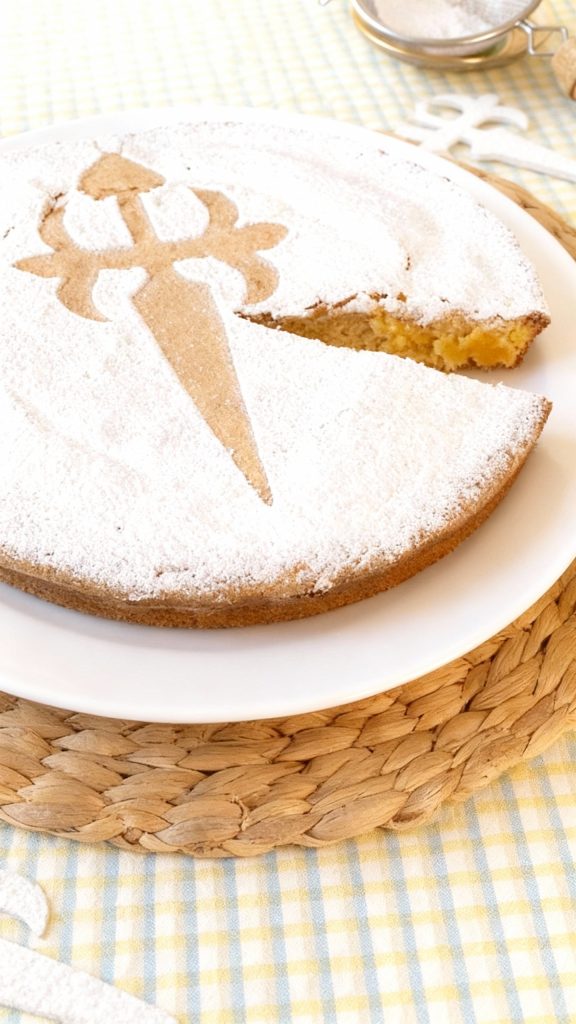
This dense, moist cake contains ground almonds, eggs, sugar, and often a splash of brandy.
The top gets dusted with powdered sugar through a stencil of the Cross of Saint James, leaving the symbol of the Camino pilgrimage stamped on every slice.
It originated in Santiago de Compostela and has been served to pilgrims for centuries.
Order it with coffee anywhere in the region.
17. Filloas: The Galician Crepe Nobody Knows About
These thin pancakes trace back to Roman times and are traditionally eaten during Carnival season.
Sweet versions get filled with chestnut puree, quince jam, custard, or chocolate.
Savory versions exist too, stuffed with meat or seafood.
They’re lighter than French crepes and impossible to stop eating once you start.
18. Over 300 Food Festivals Happen Here Every Year
Galicians throw festivals for practically every ingredient they produce.
There’s a festa for octopus, one for peppers, one for cheese, one for wine, one for chestnuts in fall.
These celebrations are the best way to taste local specialties prepared by people who’ve been making them their entire lives.
The Festa do Albariño in Cambados each August is one of the biggest.
19. Santiago de Compostela Is More Than a Pilgrimage Stop
Yes, it’s the final destination of the Camino, the pilgrimage route that draws hundreds of thousands of walkers every year.
But the city itself is a UNESCO World Heritage Site with medieval streets, granite buildings, and some of the best food in the region.
Head to the old town after the pilgrims have gone to bed and you’ll find locals-only tapas bars where the real eating happens.
20. The Saying That Sums Up Galician Cooking
Locals have a phrase: “In Galician cuisine, neither the cook nor the recipe really matters, what is being served is the central part.”
Translation: when your ingredients are this good, you don’t need to show off.
It’s the opposite of elaborate Spanish cuisine in the south.
Simple preparations, exceptional products, no unnecessary flourishes.
So the next time someone tells you Spanish food means paella and sangria, smile and tell them about the other Spain.
The one with bagpipes and witches and barnacles that cost more than lobster.
The one where the hills are green, the wine is crisp, and the octopus melts on your tongue.
Galicia is waiting.