Skip Barcelona: 10 Spanish Destinations With More Soul
Barcelona feels like it’s performing for tourists now.
The energy has shifted. The prices have skyrocketed.
And the soul—that intangible thing that makes a place feel alive—has gotten harder to find between the cruise ship crowds and the Instagram queues.
I live in Spain. I travel here constantly. And when friends ask me where to go, I almost never say Barcelona anymore.
I send them to these places instead.
They’re not undiscovered. They’re not “hidden gems” in the clickbait sense. But they have something Barcelona has been losing: personality that doesn’t feel curated for your feed.
1. Seville
The City Barcelona Wishes It Still Was
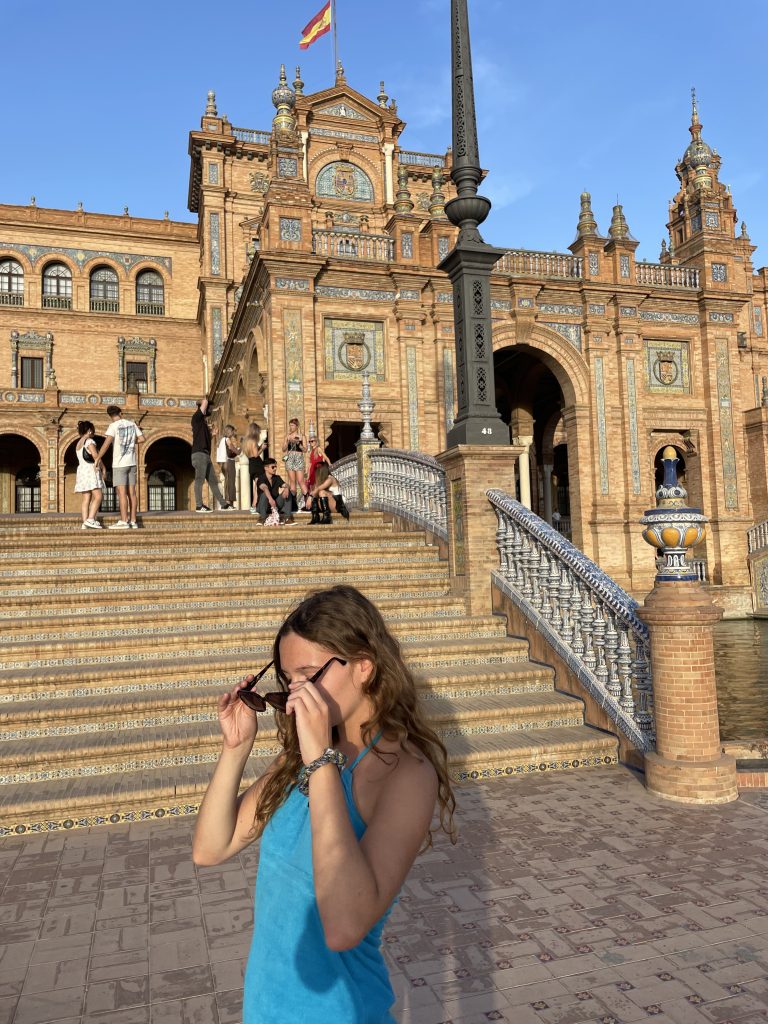
Here’s my honest take: Seville is what people imagine Barcelona will feel like—and then don’t find when they get there.
Flamenco drifting out of tiny bars at midnight. The smell of orange blossoms mixing with fried fish. Locals who actually live in the center, not just work there. Heat that somehow feels romantic instead of miserable.
Barcelona has energy. Seville has soul.
What to actually do:
- The Real Alcázar — Book ahead. Seriously. This isn’t optional advice; it’s the difference between getting in and standing sadly outside the gates.
- La Giralda tower — Climb it. The ramps were designed for horses, so it’s easier than stairs. The view is worth the sweat.
- Triana at golden hour — Cross the bridge, walk the riverside, and watch the city glow.
The modern surprise: The Metropol Parasol (locals call it “Las Setas”—the mushrooms). It looks like a giant wooden waffle. It shouldn’t work. It absolutely works.
Eat and drink this: Salmorejo (thicker, richer gazpacho), espinacas con garbanzos (spinach with chickpeas—trust me), churros dunked in thick chocolate, and orange wine. Not wine that tastes like oranges—wine aged with orange peels and seeds. It’s unique to this region and absolutely worth seeking out.
What caught me off guard: The temperature swings. Days hit 40°C; evenings drop 15 degrees. I’ve shivered in a sundress at dinner. Bring a light jacket.
2. Picos de Europa
Wild Spain (No Beach Clubs Required)
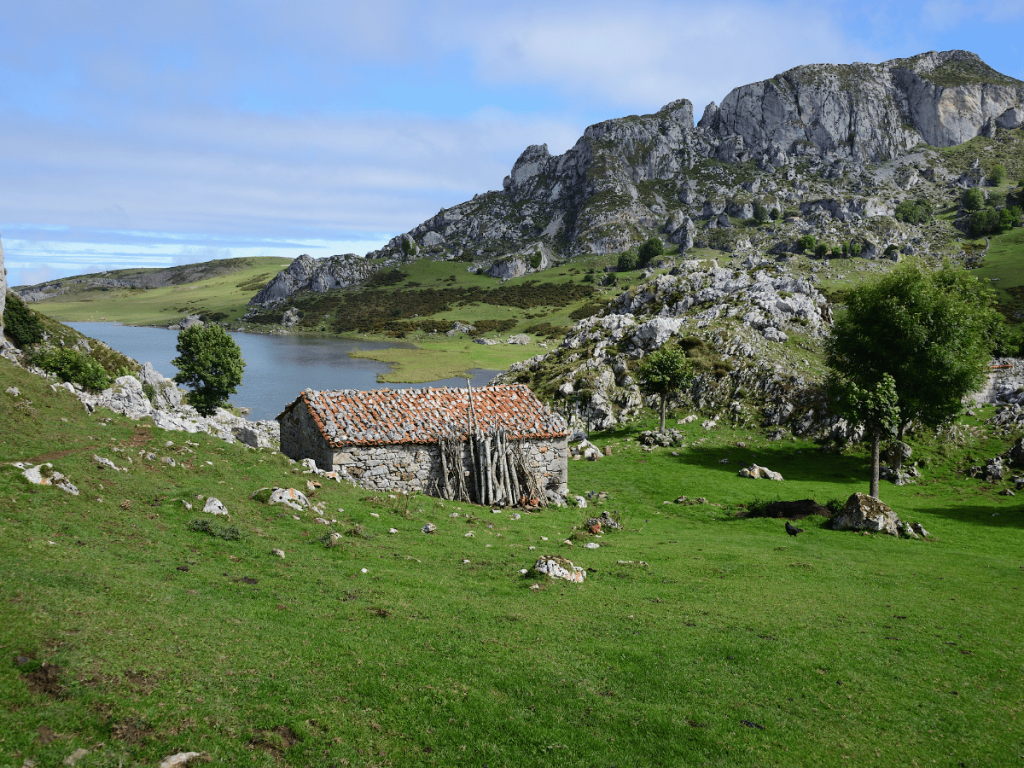
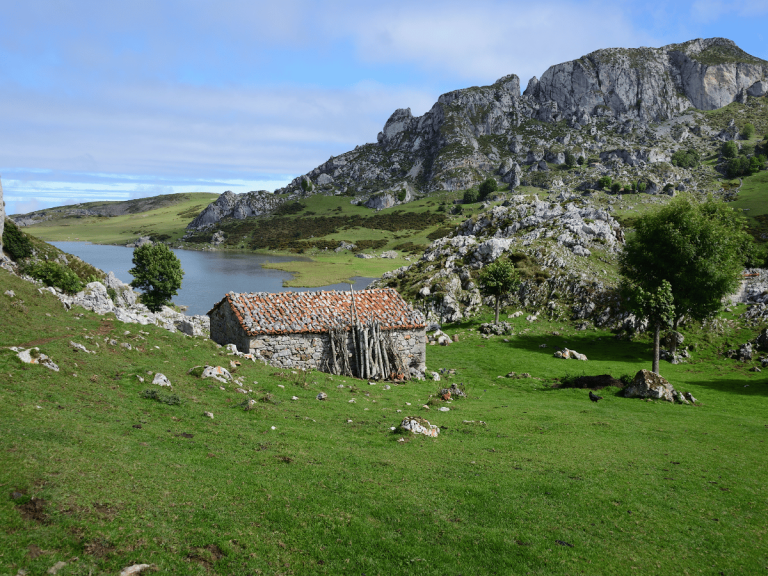
The first time I saw Picos de Europa, I genuinely forgot I was in Spain.
Rugged limestone peaks. Deep gorges that drop into shadow. Alpine-style villages where elderly men still herd cows down cobblestone streets at dusk. No crowds posing for photos. No influencers blocking the view.
This is the north—green, dramatic, and blissfully ignored by the Barcelona-bound masses.
What actually makes it worth the trip:
- The Ruta del Cares — A 12km cliffside path carved into the mountains. It’s not technically difficult, but the drop beside you is humbling.
- The Fuente Dé cable car — Even if you don’t hike, take this. The views at the top made me sit down and just… stare.
- Covadonga Lakes — An easy walk, stunning reward. Go early before the tour buses.
The village you shouldn’t skip: Potes. Medieval bridge, lively food market, and a cheese shop that changed my understanding of blue cheese forever.
Eat this: Cabrales cheese (pungent, incredible), fabada asturiana (hearty bean stew), and sidra—Asturian cider poured dramatically from above the server’s head. It’s not a gimmick; it aerates the cider.
The thing nobody tells you: Weather here has moods. I’ve seen sunshine turn to sideways rain in 20 minutes. Bring a rain jacket even in July.
3. Pueblos Blancos (White Villages)
What “Charming” Actually Looks Like
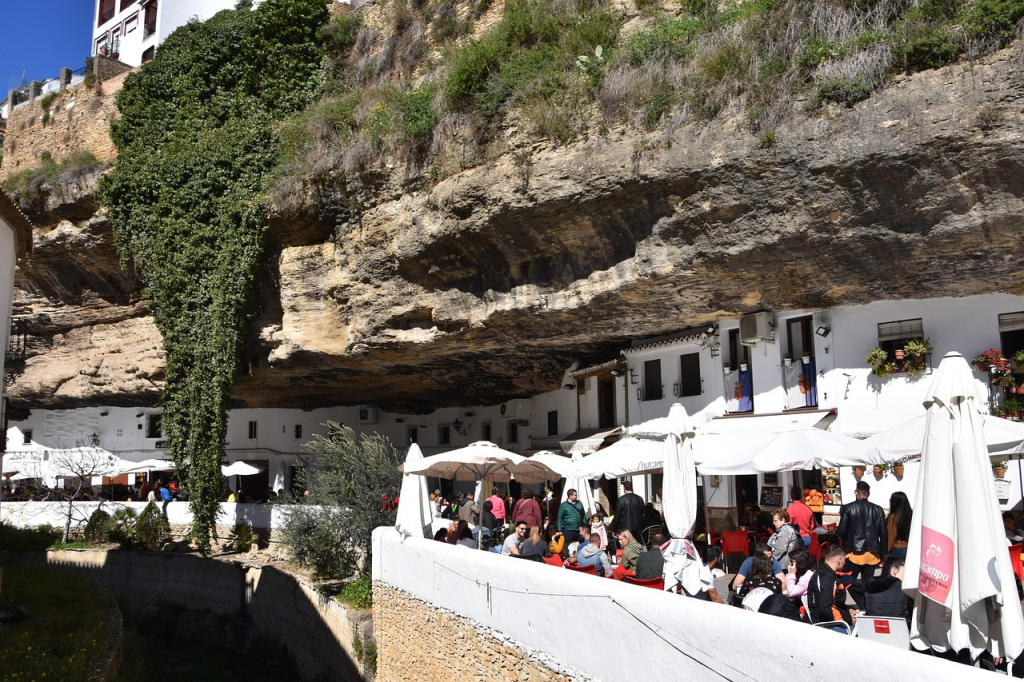
You know those photos of whitewashed houses tumbling down hillsides? The ones that make you think “surely that’s edited”?
It’s not. The Pueblos Blancos look exactly like that. Maybe better.
And unlike Barcelona’s Gothic Quarter—now more souvenir shop than neighborhood—these villages are still genuinely lived in. Grandmothers hang laundry from balconies. Kids kick soccer balls through plazas. The tapas bar is someone’s actual family business, not a franchise.
How to do it right:
- Start in Ronda — The bridge over El Tajo gorge is iconic for a reason. But wander past the tourist strip; the residential streets are where the charm hides.
- Drive to Zahara de la Sierra — The lake views will make you pull over repeatedly.
- Stop in Grazalema — Best hiking access in the region, plus a town that feels genuinely lived-in.
The underdog: Olvera. Its hilltop castle and church don’t get the Instagram love, but the view from the top is one of the best I’ve found.
Eat this: Payoyo cheese (local goat cheese, exceptional), molletes with olive oil for breakfast, and whatever tapas the village bar is serving—it’s usually someone’s grandmother’s recipe.
Fair warning: These roads are beautiful. They’re also narrow, winding, and occasionally shared with goats. Drive slowly. Enjoy it.
4. Santiago de Compostela
A Destination That Actually Means Something
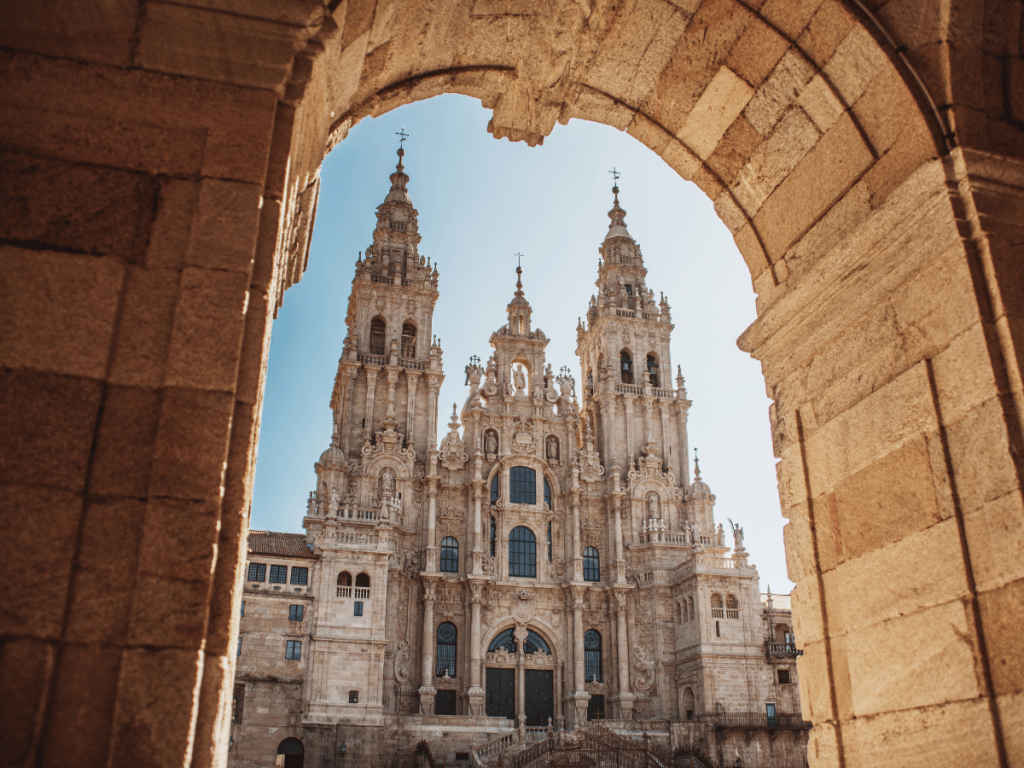
Pilgrims walk 800 kilometers to get here. Some take months. When they finally arrive—exhausted, blistered, profoundly changed—they stand in the cathedral square and weep.
Compare that to queuing for 90 minutes to see the Sagrada Familia with 3,000 other people.
Both are impressive. Only one will change you.
What makes it special:
- The granite streets — Worn smooth by centuries of footsteps. Misty mornings here feel almost mythical.
- Mercado de Abastos — The local food market. Buy percebes (gooseneck barnacles) if you’re brave.
- The botafumeiro ceremony — A giant incense burner swinging through the cathedral. Dramatic, ancient, unforgettable.
Eat this: Pulpo a la gallega (octopus with paprika and olive oil), Tarta de Santiago (almond cake with a cross dusted on top), and empanada gallega—savory pie stuffed with tuna, peppers, or whatever’s fresh.
The umbrella situation: Galicia is rainy. Not sometimes. Often. Pack an umbrella regardless of season.
5. Miradors de Asturias
Coastal Views Without the Costa Brava Crowds
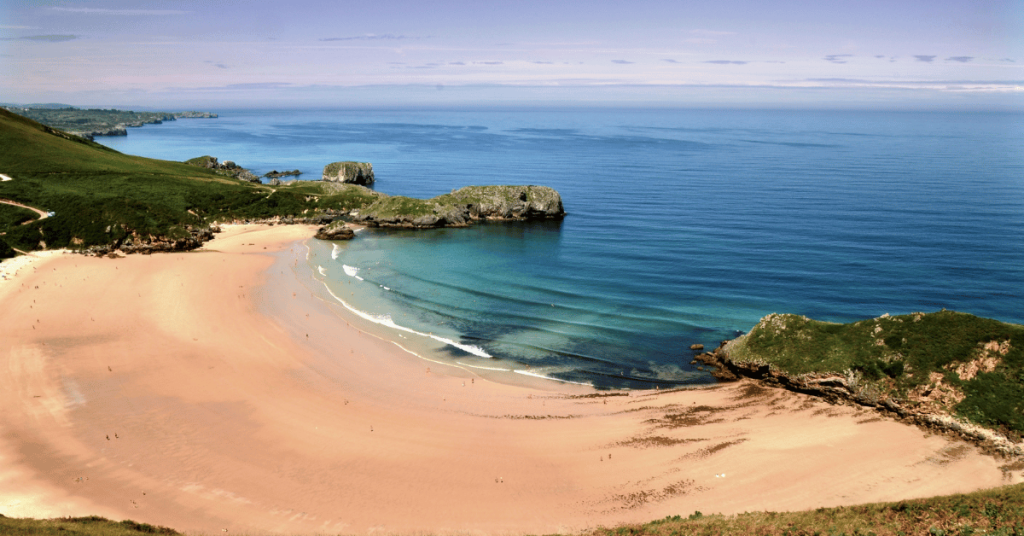
Asturias is where Spain goes vertical.
Green cliffs. Wild beaches far below. The Cantabrian Sea stretching gray-blue to the horizon. I’ve driven this coast three times now, and I still find new miradors (viewpoints) that make me catch my breath.
No yacht parties. No beach clubs with €18 cocktails. Just raw, dramatic coastline and the sound of wind.
The ones worth your time:
- Mirador de La Boriza — Overlooks Playa de Andrín. Bring a picnic.
- Paseo de San Pedro in Llanes — An easy clifftop walk, perfect for restless legs after driving.
- Mirador Playa de Torimbia — Turquoise water that looks tropical but definitely isn’t (it’s freezing).
- Mirador del Fitu and Bufones de Pría — Bufones are blowholes that spray seawater during rough weather. Time it right and it’s spectacular.
Eat this: Cachopo (breaded, stuffed veal—outrageously indulgent), fresh grilled fish, fabes with clams.
Wear this: Proper shoes. Some miradors require short hikes on uneven terrain. Flip-flops won’t cut it.
6. Mallorca
The Island Beyond the Stereotypes
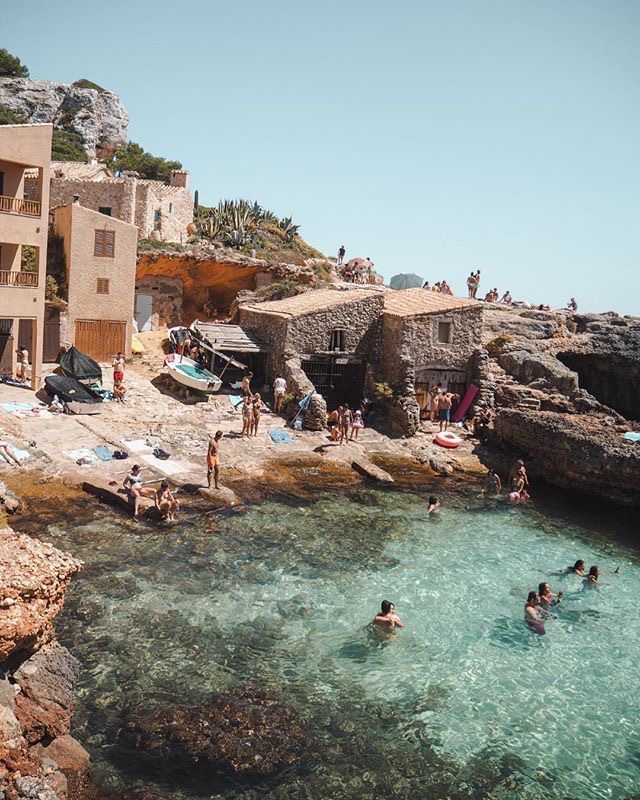
Mallorca has a reputation problem. People assume it’s all-inclusive resorts and British stag parties.
They’re missing the mountains.
The drive you need to take: Sóller to Cap de Formentor. Hairpin turns, limestone cliffs, views that made my passenger grip the door handle. Worth it.
Beaches worth the effort:
- Cala Mondragó — Protected natural park, clear water, manageable crowds.
- Cala Varques — No facilities, no problem. Bring water and snacks.
The villages: Deià and Valldemossa in the Tramuntana mountains. Stone houses, terraced hillsides, the kind of quiet that makes you reconsider your life choices.
Eat this: Ensaimada (spiral pastry, lightly sweet), sobrasada (spreadable cured sausage—sounds weird, tastes incredible), and seafood paella made with whatever came off the boat that morning.
Timing matters: Avoid Palma in August. The island’s population doubles. Head for the mountains or hidden coves instead.
7. Altea
The Quiet One
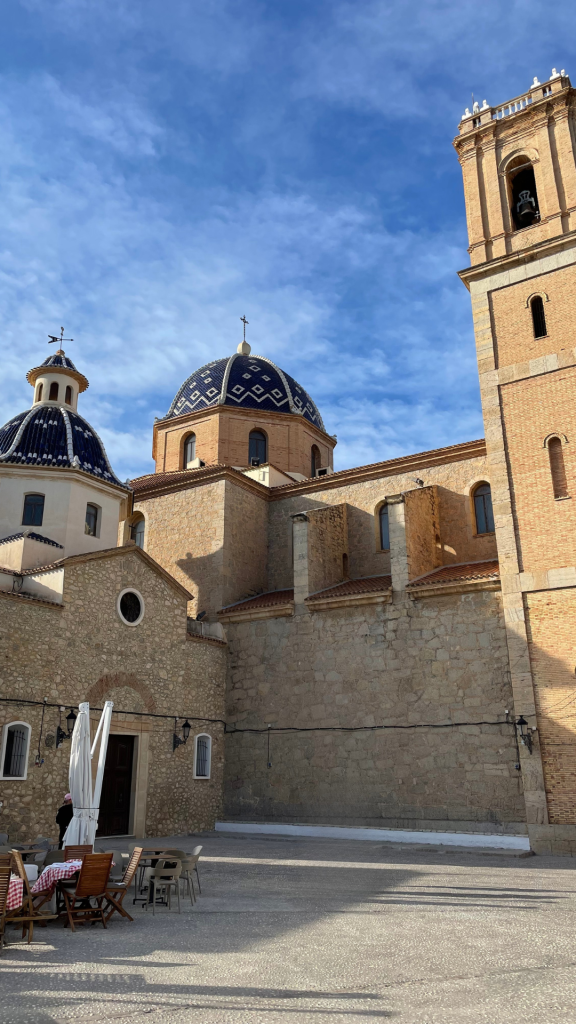
Altea doesn’t try to impress you. It just… is.
Whitewashed streets climbing a hill. Mediterranean views. A blue-domed church that catches the light in a way that makes everyone reach for their camera. But what I love most is the pace—slow, unhurried, almost meditative.
No one’s rushing to the next attraction. Because there isn’t one. That’s the point.
How to spend a day:
- Wander the old town at sunset — The light turns everything amber and pink.
- Shop for local ceramics — The artisan tradition here is real, not tourist kitsch.
- Find the church — Nuestra Señora del Consuelo. That blue dome against the sea? That’s the shot.
Eat this: Arroz a banda (rice cooked in fish stock, served with aioli), and local ice cream from any heladería that has a line.
My insider move: Book a rooftop dinner table in the old town with views of the church and main square. Request it for golden hour. You’ll thank me.
8. Granada
Alhambra Plus Everything Else
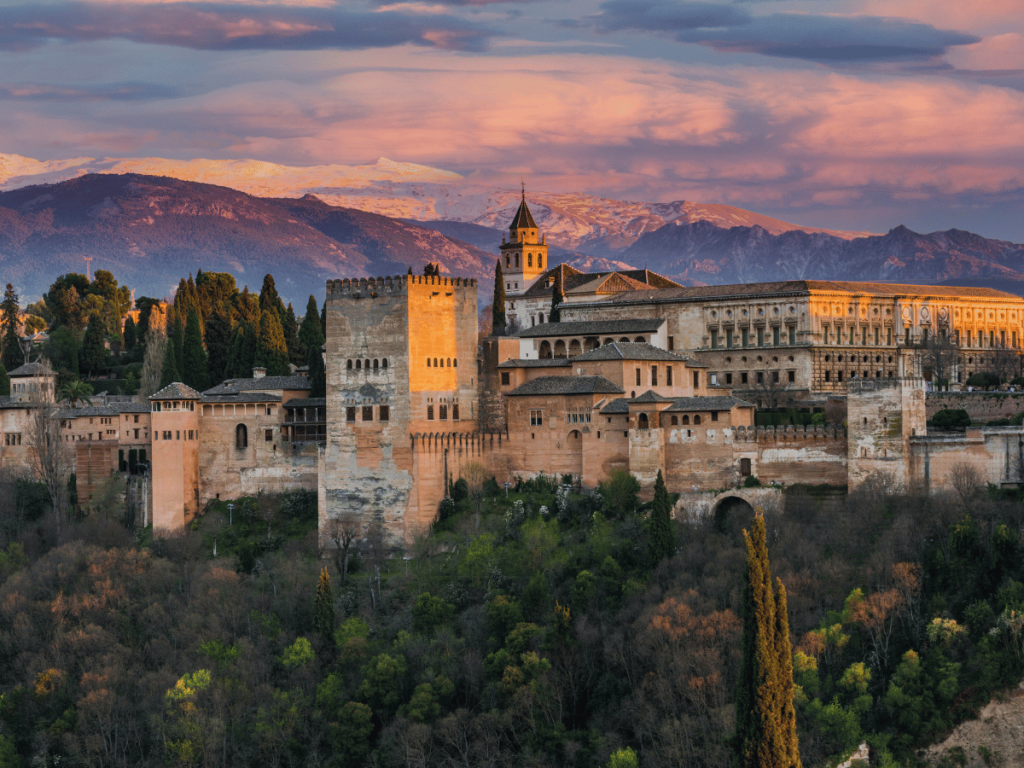
Yes, the Alhambra is amazing. Yes, you should go.
But here’s the difference between Granada and Barcelona: Granada still gives you things for free.
Tapas with every drink. Sunset views from public plazas. Neighborhoods where tourists are visitors, not the main population.
What most visitors miss:
- Paseo de los Tristes — The best Alhambra views are free. This promenade at golden hour is magic.
- Hidden viewpoints — Santa Isabel la Real and Los Carvajales. Fewer crowds, same jaw-dropping backdrop.
- Vintage shopping on Calle Squirellos — Tiny street, surprising finds.
Day trip potential: The Alpujarras villages (white mountain towns, terraced hillsides) or Sierra Nevada (skiing in winter, hiking in summer).
Eat this: Tapas are still free with drinks here—one of the last cities in Spain where this tradition survives. Try piononos (small sponge cakes with cream) and Moroccan tea in the Albaicín neighborhood.
Book ahead: Alhambra tickets sell out weeks in advance. This isn’t an exaggeration. Set a reminder.
The early bird moment: Sunrise walks in the Albaicín are genuinely magical. Empty streets, soft light, the Alhambra turning gold. Worth the alarm.
9. Cadaqués
Catalonia’s Best-Kept Coastal Secret
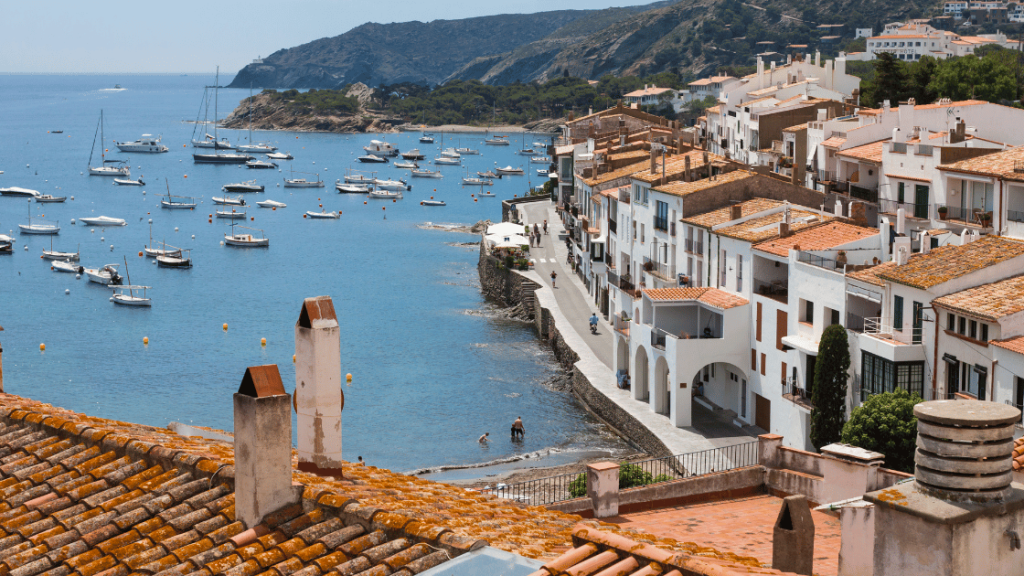
Yes, this one’s in Catalonia. But it’s the anti-Barcelona beach experience.
Cadaqués is remote—deliberately so. The winding road keeps the casual tourists away. What’s left is a whitewashed fishing village with hidden coves, exceptional seafood, and light that painters have tried to capture for centuries.
Salvador Dalí lived here for decades. When you arrive, you’ll understand why.
How to experience it:
- Kayak or swim — The hidden coves around the cape are best reached by water.
- Visit Dalí’s house in Portlligat — Book ahead; it’s small and intimate.
- Drive to Cap de Creus lighthouse — The easternmost point of Spain. Windswept and wild.
Eat this: Suquet de peix (Catalan fish stew), local anchovies (nothing like the canned version), and cava from a nearby vineyard.
Driving note: The roads here twist through mountains with steep drops. Go slow. Put your phone away. Arrive alive.
10. Fuerteventura
When You Need to Disappear
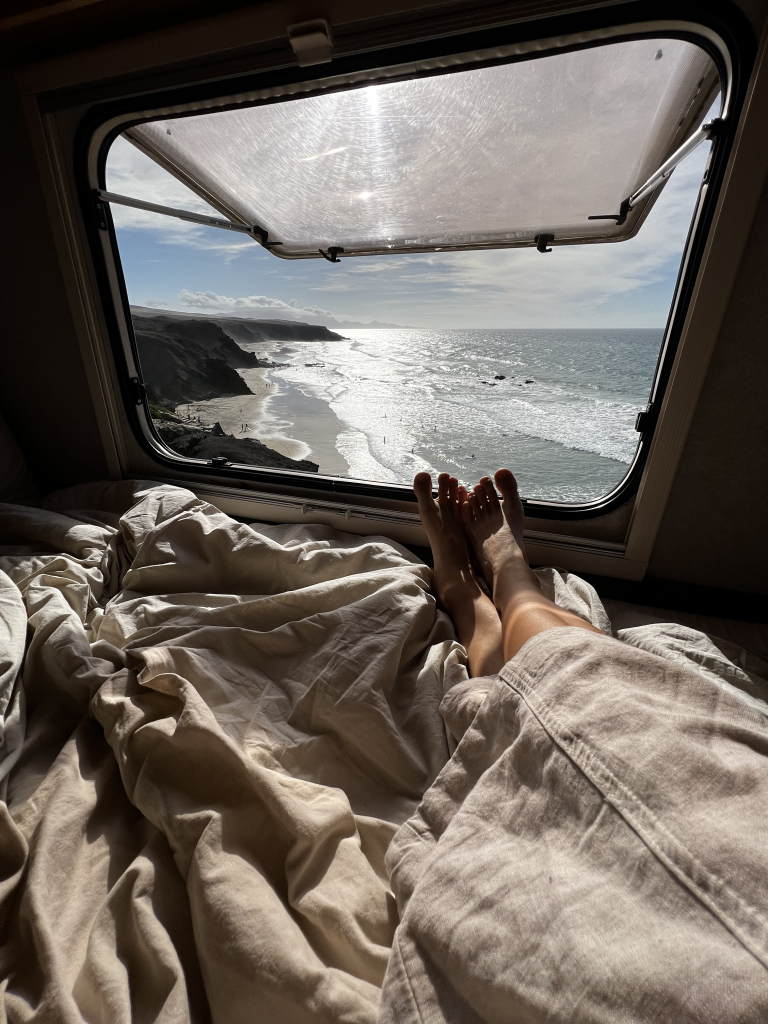
For endless beaches, volcanic landscapes, and the feeling that the rest of Europe doesn’t exist.
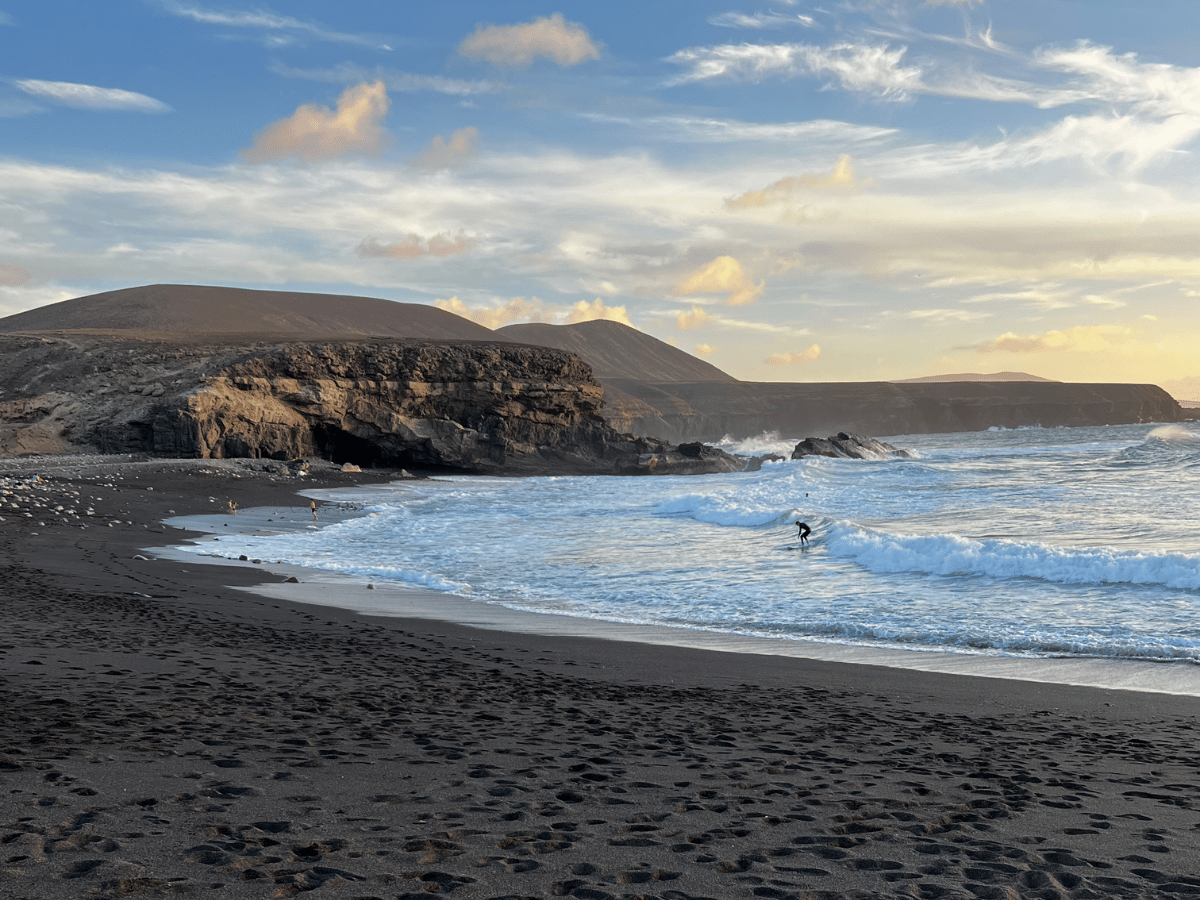
Fuerteventura is the Canary Islands’ quiet sibling—less developed than Tenerife, more dramatic than Lanzarote. When I need to escape, this is where I go. No crowds. No agenda. Just sand and wind and space to think.
Beaches worth your time:
- La Pared — My personal favorite. Wild, dramatic, usually empty. The kind of beach that makes you feel small in the best way.
- Corralejo Dunes — Sahara vibes, turquoise water, surprisingly swimmable.
- Popcorn Beach — Named for the coral fragments that look like popcorn. Weird and wonderful.
Eat this: Majorero goat cheese (the island’s specialty), gofio-based dishes (toasted grain flour—more interesting than it sounds).
Wind warning: This island is windy. Always. It’s why surfers and kitesurfers love it. Pack a windbreaker even if you’re coming for the sun.
The Real Reason to Skip Barcelona
I want to be clear: I don’t hate Barcelona. I’ve had great times there. The city has legitimate appeal.
But somewhere along the way, it became a product. A destination optimized for maximum throughput. A place where the main experience is waiting in line with thousands of other people who are also waiting in line.
The places on this list aren’t like that. Not yet, anyway.
They’re places where the waiter brings you something “special” that’s not on the menu. Where you take a wrong turn and find a viewpoint that’s not in any guidebook. Where you drink wine you’ve never heard of and think about it for years afterward.
That’s the Spain worth traveling for.
Barcelona can wait.
Agree? Disagree? Have your own “skip Barcelona” recommendations? I want to hear them.